"Native Apps vs. Hybrid Apps: Which is Right for Your Project"
Introduction
In today's rapidly evolving digital landscape, mobile applications have become an integral part of our daily lives. Whether it's for social networking, shopping, productivity, or entertainment, mobile apps are the go-to solution for accessing information and services on the go. However, when it comes to developing a mobile app, one of the first decisions you need to make is whether to go for a native app or a hybrid app. In this blog post, we'll explore the pros and cons of both native and hybrid apps to help you make an informed decision for your project.
Native Apps:
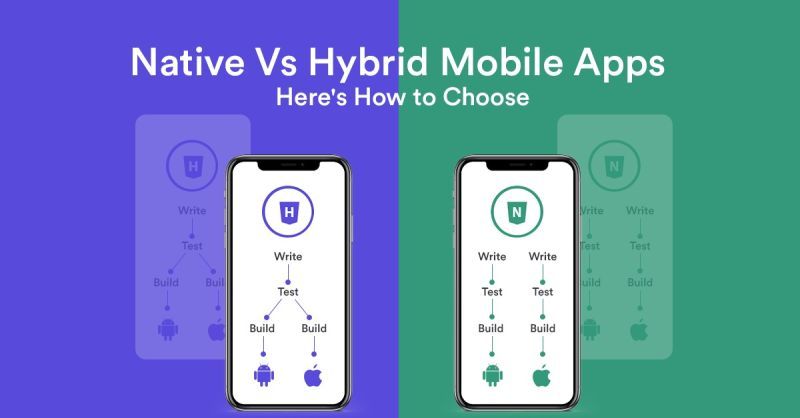
Native apps are developed for a specific platform, such as iOS or Android, using platform-specific programming languages and tools (Swift/Objective-C for iOS and Java/Kotlin for Android). They are installed directly on the user's device and can access all of the device's hardware and software capabilities.
Pros of Native Apps:
- Performance: Native apps typically offer superior performance compared to hybrid apps. Since they are optimized for a specific platform, they can take full advantage of the device's hardware, resulting in faster load times and smoother user experiences.
- User Experience: Native apps provide a seamless and consistent user experience, as they adhere to the platform's design guidelines and user interface standards. This can lead to higher user engagement and satisfaction.
- Access to Device Features: Native apps can access all device features, such as camera, GPS, accelerometer, and more, allowing for the development of feature-rich applications.
- Offline Functionality: Native apps can often work offline, making them suitable for applications that require data synchronization or functionality in areas with poor network connectivity.
Cons of Native Apps:
- Development Time and Cost: Building separate native apps for iOS and Android can be time-consuming and costly, as it requires maintaining two separate codebases.
- App Store Approval: Submitting native apps to app stores (Apple App Store and Google Play Store) can be a lengthy and sometimes unpredictable process due to strict guidelines and review procedures.
Hybrid Apps:
Hybrid apps are developed using web technologies such as HTML, CSS, and JavaScript, and they run within a native container that provides access to device capabilities. This container acts as a bridge between the web code and the device's native features.
Pros of Hybrid Apps:
- Cross-Platform Development: One of the main advantages of hybrid apps is that you can write code once and deploy it on multiple platforms, reducing development time and costs.
- Easier Maintenance: Maintaining a single codebase for multiple platforms simplifies updates and bug fixes, as changes can be made centrally.
- Faster Development: Developers with web development skills can quickly adapt to hybrid app development, making it easier to find talent for your project.
Cons of Hybrid Apps:
- Performance: Hybrid apps may not match the performance of native apps, especially for graphics-intensive or resource-intensive applications.
- Limited Access to Device Features: While hybrid apps can access some device features through plugins, they may not offer the same level of integration as native apps.
- User Experience: Achieving a truly native look and feel can be challenging with hybrid apps, potentially leading to a less polished user experience.
Choosing the Right Approach:
The choice between native and hybrid apps depends on your project's specific requirements, budget, and timeline. Here are some factors to consider:
- Performance: If performance is critical, and your app relies heavily on device-specific features, native development may be the better choice.
- Cross-Platform Compatibility: If you need to target multiple platforms and have a limited budget or timeline, hybrid development can be a cost-effective solution.
- User Experience: For applications where a polished user experience is paramount, native development may provide the best results.
- Development Resources: Consider the availability of developers with expertise in the chosen technology stack.
In conclusion, there is no one-size-fits-all answer to the native vs. hybrid app debate. Both approaches have their strengths and weaknesses, and the right choice depends on your project's unique needs and constraints. It's essential to carefully evaluate your requirements and work with experienced developers who can help you make the best decision for your mobile app project.
At Technothinksup Solutions, we have a team of skilled developers experienced in both native and hybrid app development. Contact us today to discuss your project requirements and find the perfect solution for your mobile app development needs.


